16.71 | -22.98
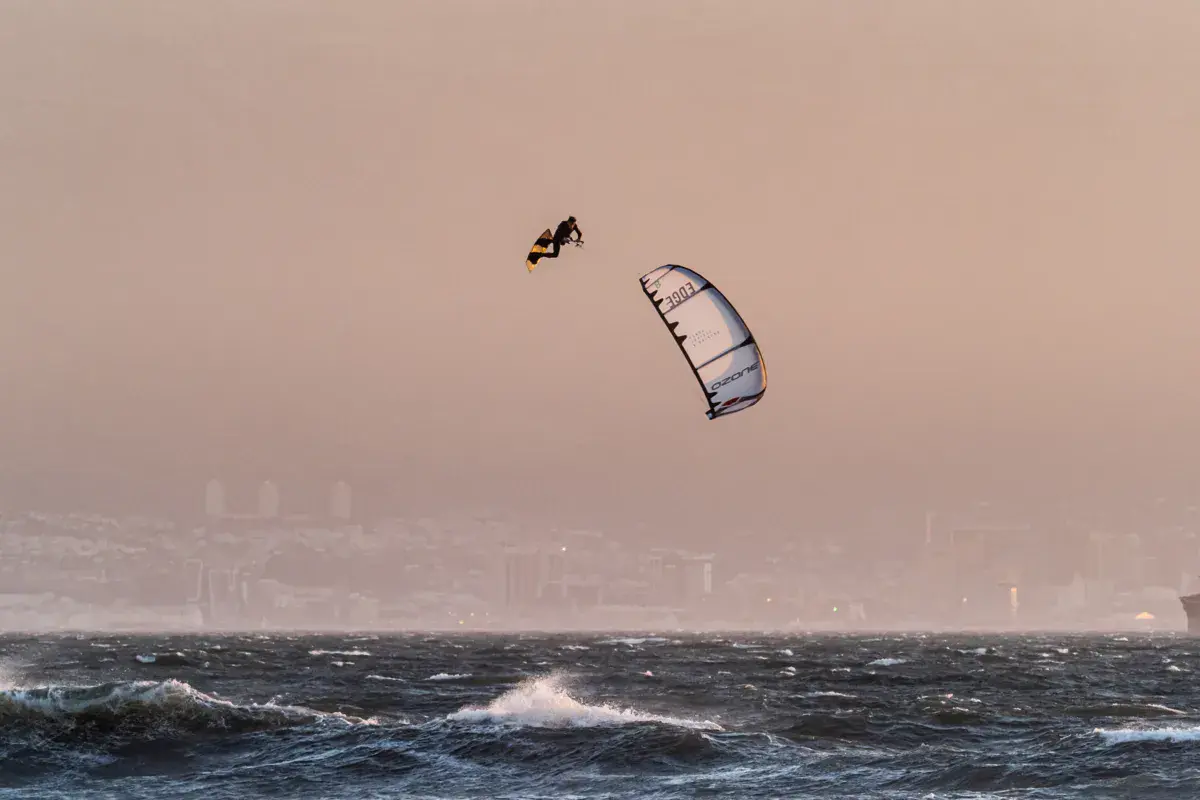
Ali Baba is one of the premier wave spots on the west coast of Sal Island, Cape Verde, alongside Ponta Preta. It produces long, powerful waves breaking over a lava reef bottom — a serious spot that can rival Ponta Preta in quality on its day.
The wave is primarily a right-hander, with long rides possible when the swell is in. Waves can reach significant heights and intensity, making it a thrilling but demanding ride. The spot benefits from groundswells coming from the northwest, with offshore northeast trade wind grooming the wave faces to perfection.
Ali Baba sits between Fontona (to the north) and Ponta Preta (to the south) on the exposed west coast. Most riders access it by launching at Fontona and riding downwind, or from the Curral Joul area. Like all west coast spots, it's remote with no infrastructure and offshore wind — experts only.
The spot is also popular with surfers and windsurfers. When conditions align, Ali Baba offers some of the most spectacular wave riding on the island, attracting both locals and visiting pros.
Most riders reach Ali Baba by launching at Fontona and riding downwind south along the west coast. This is the safest and most practical approach.
The wave is a long right-hander breaking over lava reef. Fast, powerful, and hollow on bigger days. Directional surfboard only — no twin-tips.
When waves are smaller, Ali Baba is more accessible and offers excellent long rides. When the swell is big, it becomes one of the most intense spots on the island, comparable to Ponta Preta in power.
Return options: ride upwind back to Fontona (exhausting), continue downwind toward Ponta Preta/Santa Maria (requires expert-level skill), or arrange a 4x4 pickup at an accessible point along the coast.
Check swell and wind forecasts carefully before committing to a west coast session.
Open all year round
Year-round, but the main season runs from November to May/June with the northeast trade winds.
The biggest and most consistent swells hit the west coast from December to March when North Atlantic storm systems send powerful groundswells south.
Summer months see less wind and smaller swell, making conditions unreliable.
Expert
Open Atlantic Ocean with powerful northwest groundswell. Waves break as a long right-hander over lava reef bottom. Wave height from 1.5 to 5+ metres depending on swell size.
Water temperature 21–24°C during the kite season. 3/2mm wetsuit recommended — the offshore wind chill makes it feel colder than the east coast.
Strong currents possible. Crystal-clear water with good visibility — you can see the reef below, which helps with positioning but also shows how shallow it can be.
Ali Baba is on the exposed west coast of Sal, between Fontona and Ponta Preta. No direct beach access by car.
Access options:
• Launch at Fontona (only beach launch on west coast) and ride downwind south along the coast to Ali Baba.
• Access from the Curral Joul area, riding upwind or downwind depending on position.
• Some riders walk in from nearby dirt tracks with a 4x4, but launching from the rocky shore is very difficult.
No infrastructure — no bar, no toilets, no shade, no rescue. Bring everything. A 4x4 vehicle is essential for reaching the coast.
Kite centres in Santa Maria sometimes organize guided west coast excursions that include Ali Baba.
The northeast trade wind at Ali Baba blows offshore to cross-offshore, creating perfectly groomed wave faces. The wind crosses the island before reaching the west coast, which can make it slightly gusty near shore.
Wind strength: 15–25 knots during the trade wind season (November–May), sometimes stronger. The west coast often receives stronger wind than Santa Maria. Kite sizes 7–11m.
The offshore wind combined with powerful groundswell from the northwest creates world-class wave riding conditions — long, clean, fast walls with the wind holding up the lip.
Best conditions when a solid NW swell combines with moderate NE trades (15–20 knots). Too much wind makes the waves messy and the offshore push dangerous.
EXPERTS ONLY — this is a serious, high-consequence wave spot.
Powerful waves: long, fast waves breaking over a lava reef. Wipeouts can result in gear being smashed on rocks and reef. Helmet and impact vest strongly recommended.
Offshore wind: the trade wind blows offshore from land to the open Atlantic. Equipment failure means drifting out to sea. Never ride alone.
No rescue service: completely remote and uninhabited coastline. No mobile signal in some areas. If something goes wrong, help is very far away.
Reef: shallow lava reef bottom. Extremely dangerous at low tide — reef can break masts, fins and boards. Check tide before heading out.
Shared lineup: surfers, windsurfers and kitesurfers share the wave. Respect lineup priority and etiquette.
Exhaustion risk: if you rode downwind from Fontona, you still need energy to get back or reach an exit point.
If you notice any outdated information:
Suggest an editLive data from INMG HQ SAL weather station (wind, gusts, history) is reserved for Premium members.
Already a Premium member? Log in
Loading webcams...
Comments 0
Login to commentNo comments yet.